Did Your Bees Survive the Summer?
In This Article
Every April, we ask the same question at Barben Bees: did they survive the summer?
After months of heat, eucalyptus flows, and active production, the beekeeping calendar in Cape Town pivots from harvest to preservation. What you do now — before the Cape winter closes in — determines whether your colonies survive to see the canola fields turn yellow in July.
Western Cape winters are different from the rest of South Africa. We don't get deep freezes that kill colonies outright. What we get is weeks of driving north-westerly rain, high humidity, and long stretches without forage. That's a slow, quiet threat — and it catches unprepared beekeepers every year.
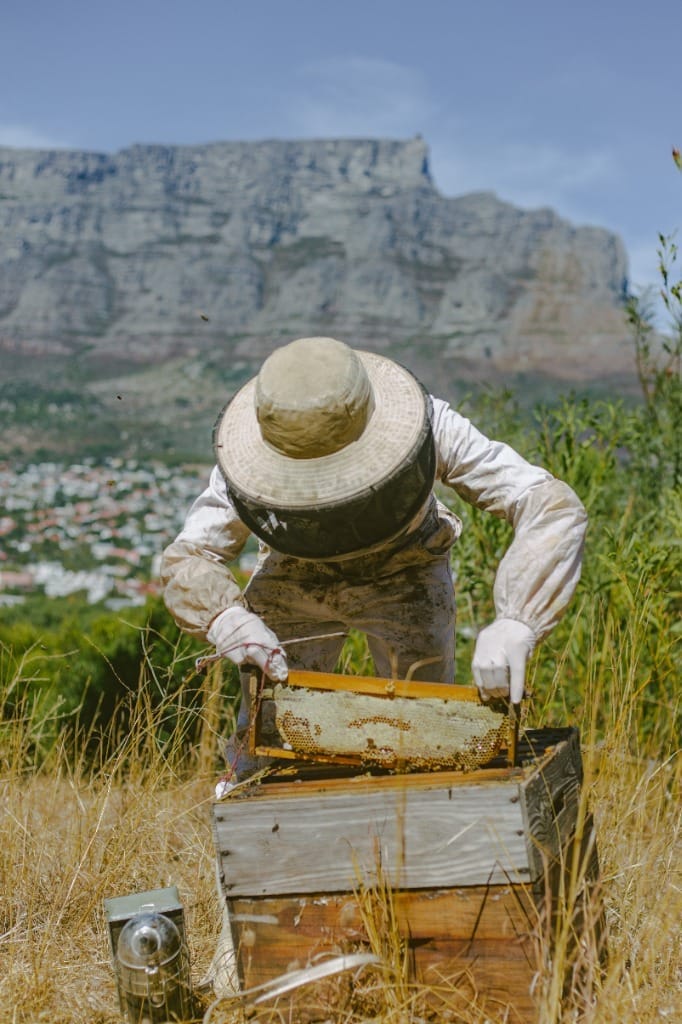
1. Check Your Winter Honey Stores
Right now, your bees are likely hitting the Eucalyptus (Gum trees) hard. While many plants wither in the late summer dryness, the Eucalyptus is resilient, providing a critical nectar source.
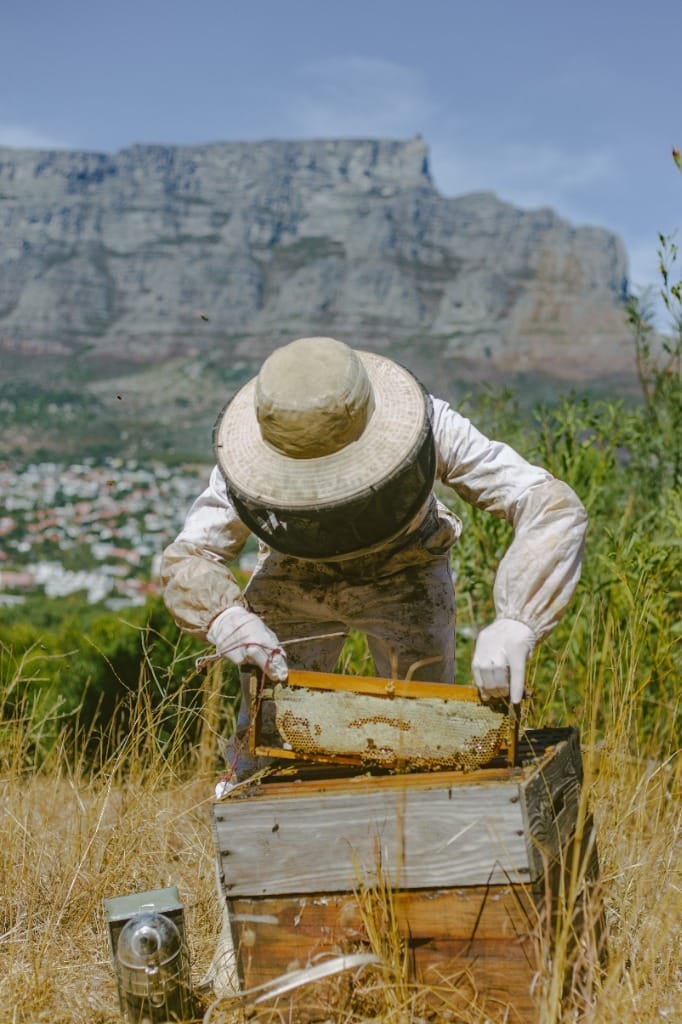
Your bees won't freeze to death in a Cape winter. But they might starve.
In the Western Cape, winter means weeks of wet, cold weather with very little flowering. The Cape honeybee (Apis mellifera capensis) is remarkably resilient — but even she cannot forage through a Cape storm. A colony that enters winter light on stores will eat through what it has and find nothing to replace it.
2. Weatherproof Your Hives
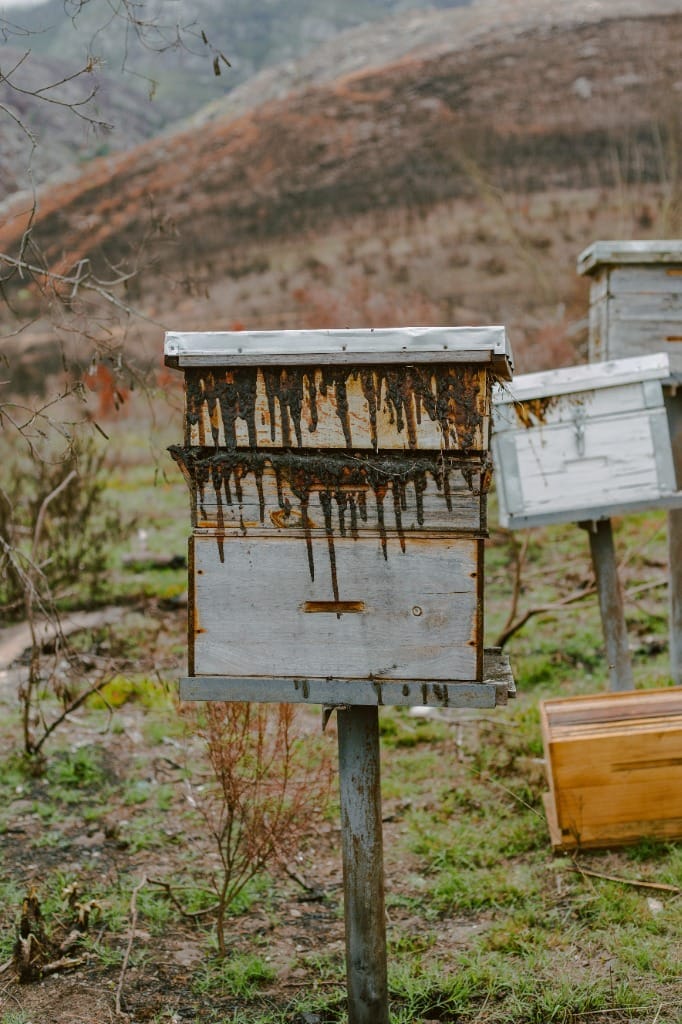
A damp hive is a dead hive. The Western Cape's Mediterranean climate brings driving north-westerly winds and heavy rain.
- Tilt: Every hive should be tilted slightly forward so water runs out of the entrance.
- Lids: Lids must be weighted or strapped down. A Cape storm will lift an unstrapped lid and expose the colony in minutes.
- Ventilation: Airflow through the hive prevents internal condensation from building up.
3. Beginner's Beekeeping Course
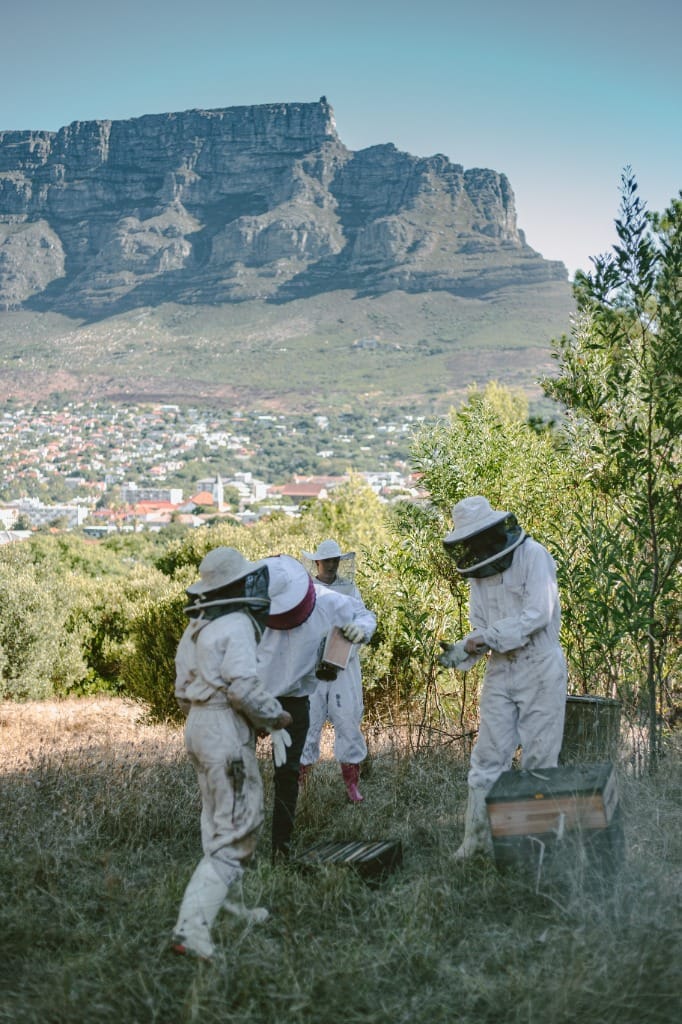
If you're new to beekeeping, our next Beginner's Beekeeping Course runs on Saturday, 9 May 2026. One full day, hands-on with live colonies, covering biology, management, and safety.
Cost: R1,350 (own suit) | R1,500 (including hire). Come visit us at 60 Vredehoek Avenue to book or learn more.

More from Beekeeping & Education
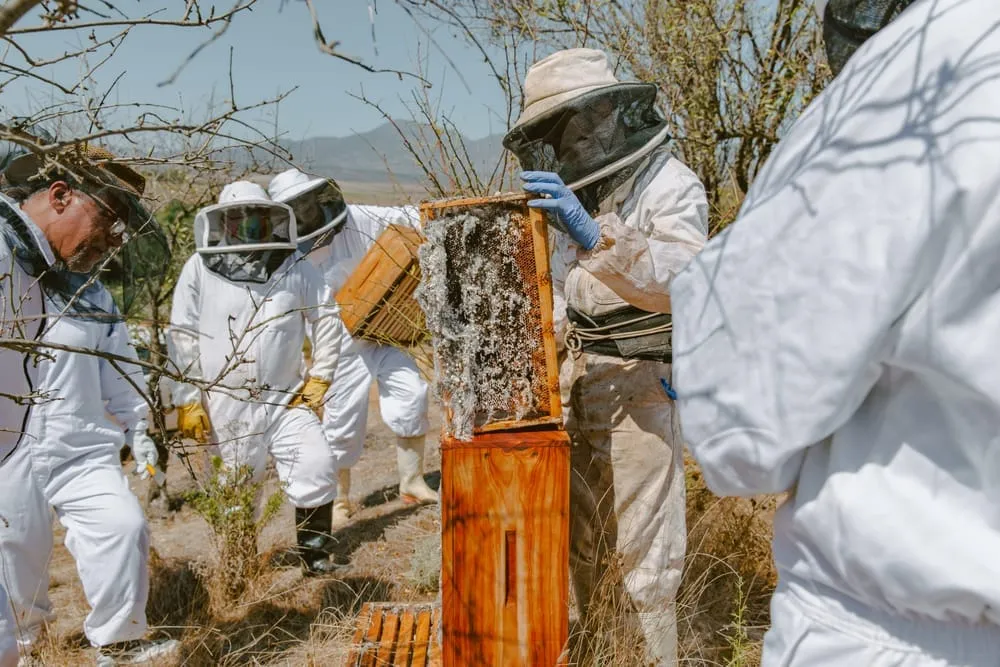
A Win for Winter: The Solstice Shift
June 21st marks the Winter Solstice. What you do now determines the success of your spring harvest. Discover the Solstice strategy for Cape Town apiaries.
Read Story →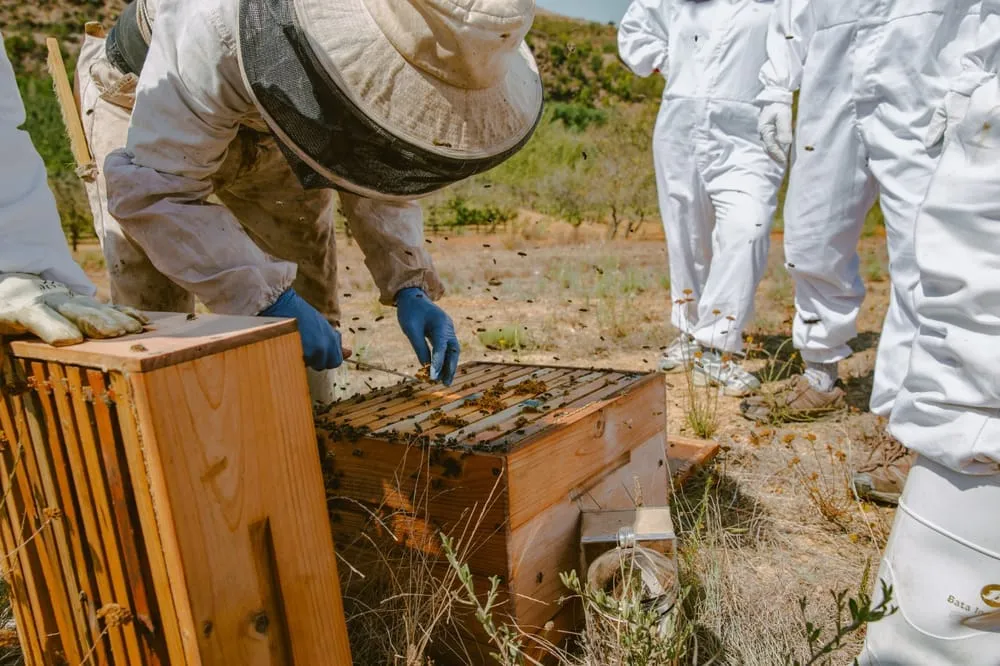
The Catch Box Window & Winter Prep
The days are getting shorter, and the mornings are crisp. While the summer rush is over, we aren't slowing down at Barben Bees — we're shifting focus to Preparation.
Read Story →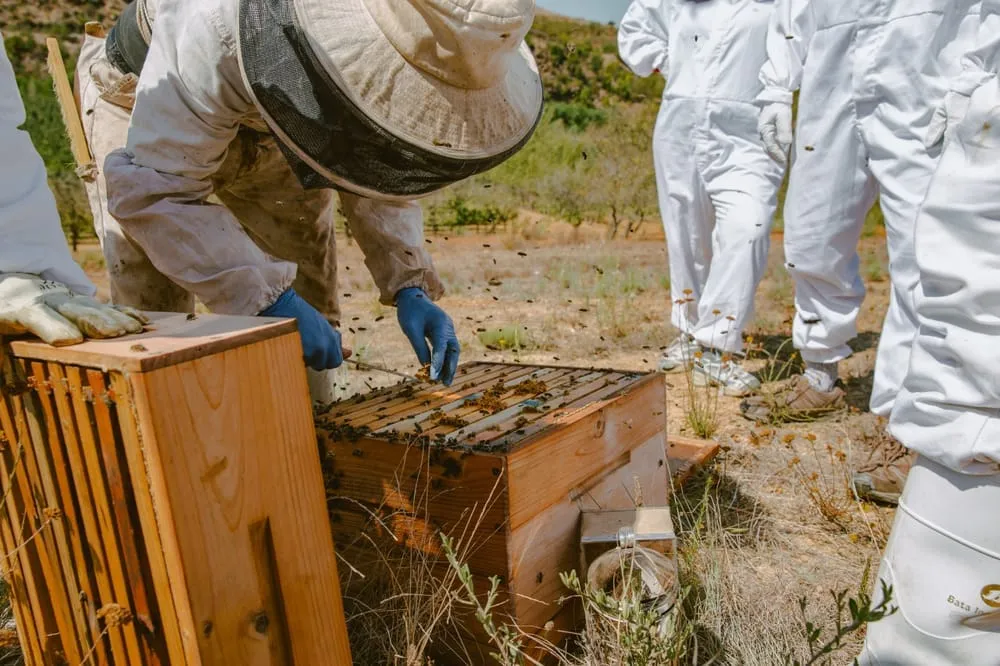
March on to Autumn
The hot days are drawing to an end. Here in Cape Town, March is a transition month — the last harvest is in, and the wax moth threat is real. We are marching on to Autumn.
Read Story →Enjoyed this article?
Learn more about our mission and support ethical beekeeping.