
A Win for Winter: The Solstice Shift
In This Article
We have reached the turning point. June 21st marks the Winter Solstice. While the Cape storms are still rolling in and the roads are muddy, scientifically, the days are slowly starting to become longer.
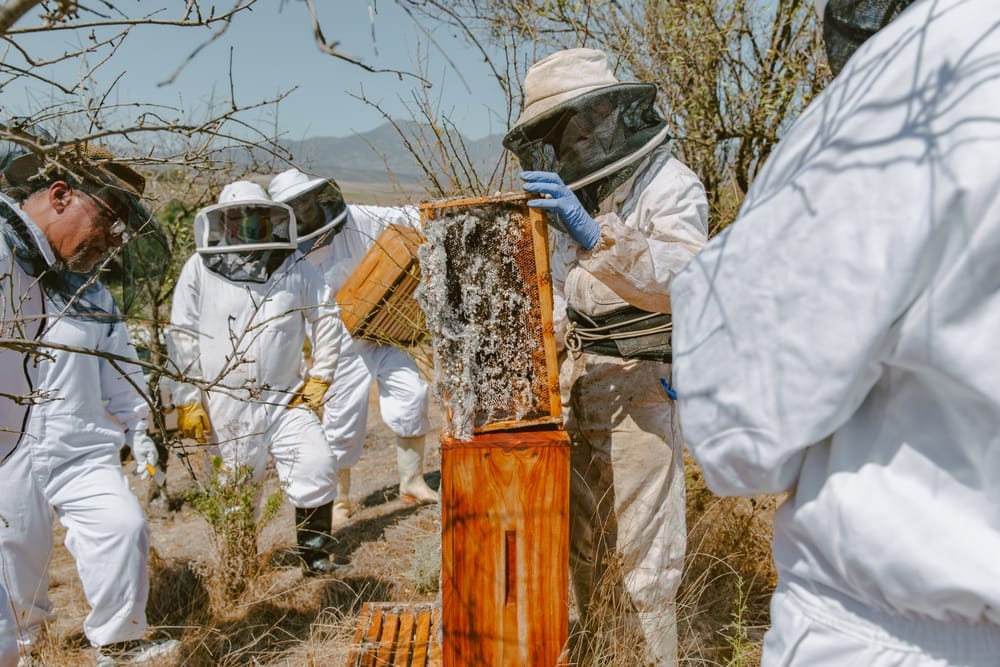
For us at Barben Bees, this signals a shift. We don't just sit by the fire; we Think Inside The Box. We know that what we do now determines the success of our spring harvest.
Is it too cold where your bees are? Or are they ready for the buildup?
1. The Solstice Strategy: Brood Management
At this time, your colonies should be small, but a shift is about to happen as the first spring flowers eventually emerge. We need to prepare the brood nest for this expansion.
This brings us back to our favourite analogy: The Oil Filter. A brood frame is like the oil filter in your car. Over time, it gets clogged and dark. These frames become unsuitable for brood rearing and add to congestion in the hive.
The June Job
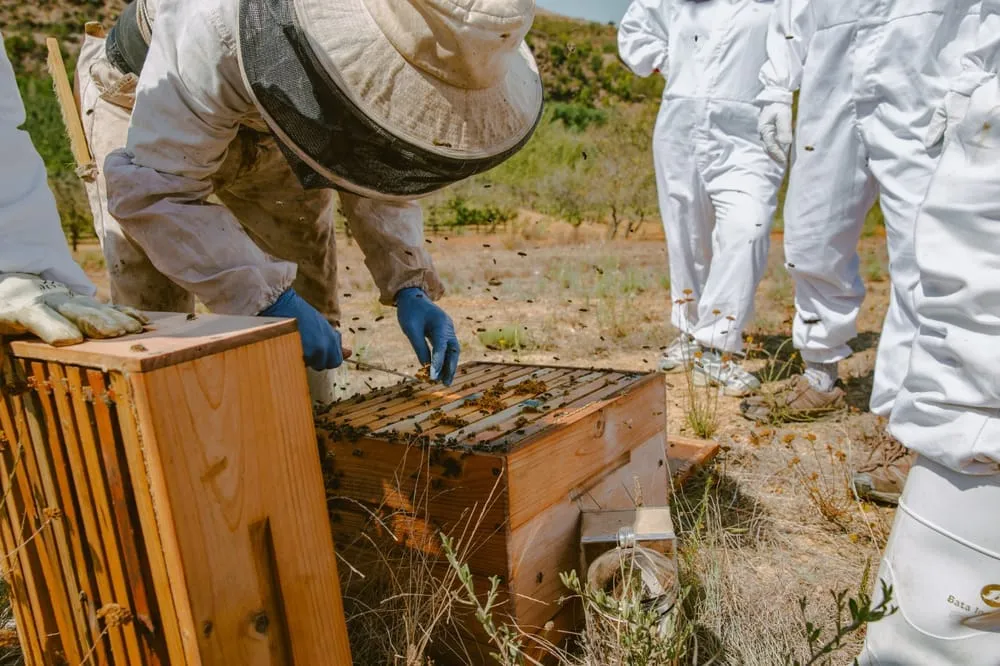
On a warmer day — we try to only work the bees when it is 18°C and up — we inspect the brood box. We aim to remove two frames of old honey/pollen/nectar to make space for the queen to lay. By doing this, you prevent the colony from feeling congested later in the season, which is a major cause of swarming.
2. Full Sheets vs. Starter Strips
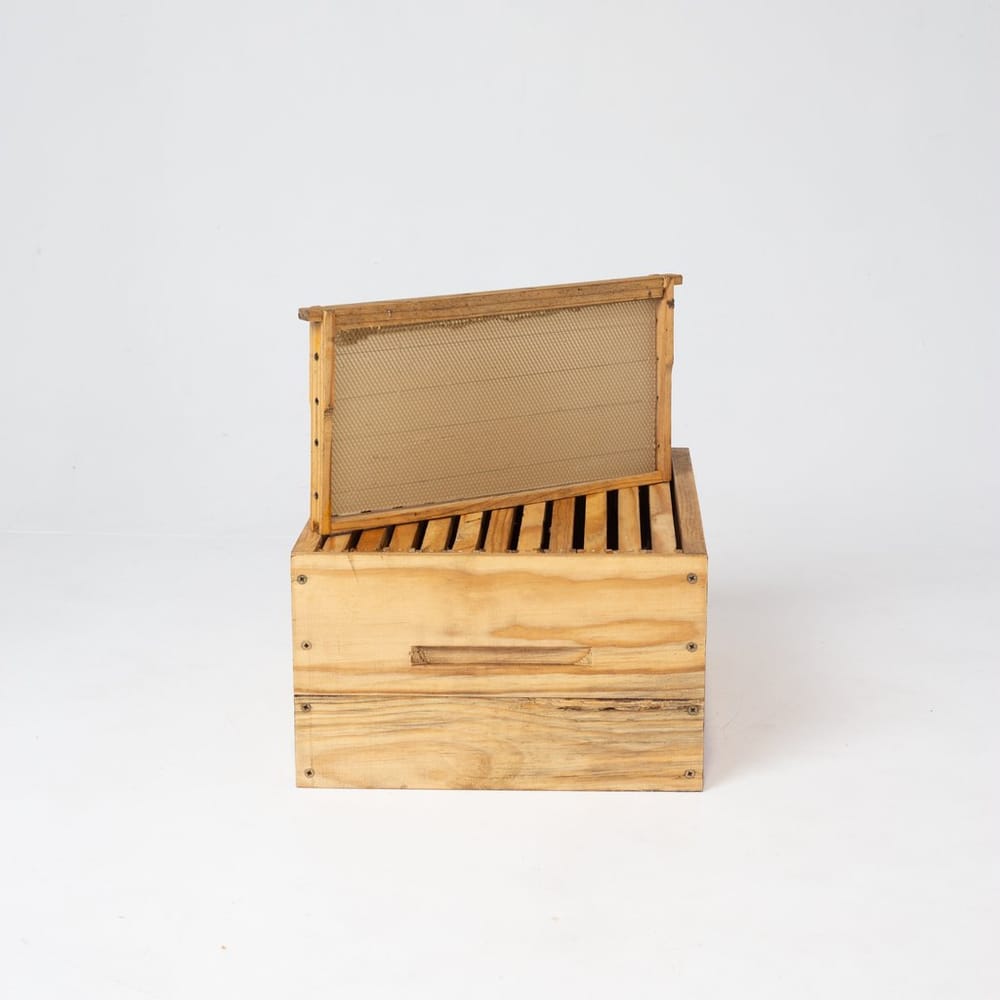
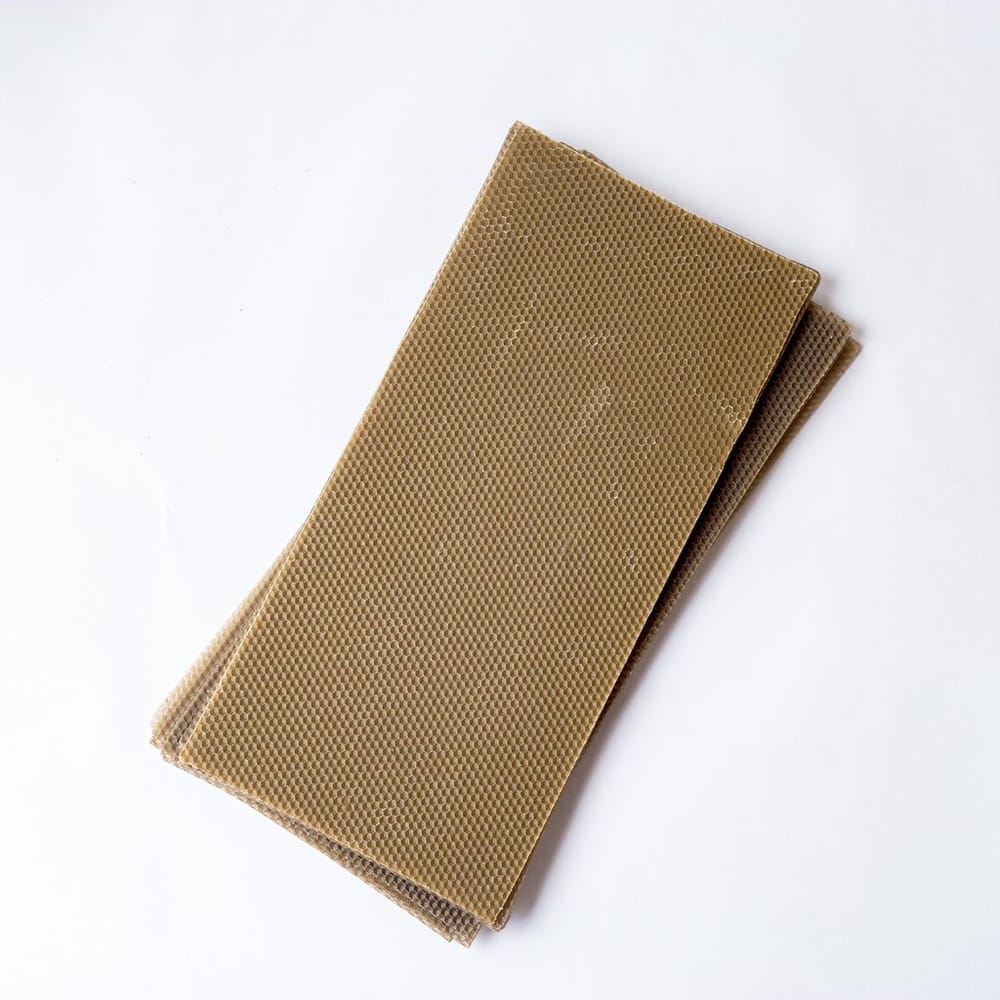
This is the most critical technical detail for June work. In summer, you might get away with starter strips. In winter, you need Full Sheets of foundation.
Why? We want the bees to build out a maximum number of worker cells. If we give them starter strips now, they are likely to build out a greater number of drone comb than we would like. Full sheets act as a guide, ensuring the colony puts its energy into raising a workforce, not drones.
3. Disease Detection
While you are rotating those frames, it is the perfect time to check for AFB (American Foulbrood). With the colony size smaller, you can get a good look at the health of the brood pattern.
Catching disease now saves your apiary later. A small colony is far easier to inspect thoroughly — don't waste this window.
4. The Practical Side: Mud and Socks
Let's be honest: working in June is tough. There is mud, rain, and roads often get washed away. If you are heading out to your sites, make sure you have everything you need before you leave.
- Spare Supers & Frames: Don't get caught short on site.
- Dry Socks: Essential for Cape winter beekeeping.
- Smoker Fuel: Damp fuel makes for a miserable inspection.
Need a Winter Win?
If you want your hives to come out of winter stronger than they went in, you need to manage them now. At Barben Bees, we specialise in this "Solstice Shift." We replace the old frames, ensure the space is right, and set the colony up for the coming flow.
Come visit us at 60 Vredehoek Avenue to pick up your full sheets of foundation, or contact us to book a winter maintenance service.
More from Beekeeping & Education
The Catch Box Window & Winter Prep
The days are getting shorter, and the mornings are crisp. While the summer rush is over, we aren't slowing down at Barben Bees — we're shifting focus to Preparation.
Read Story →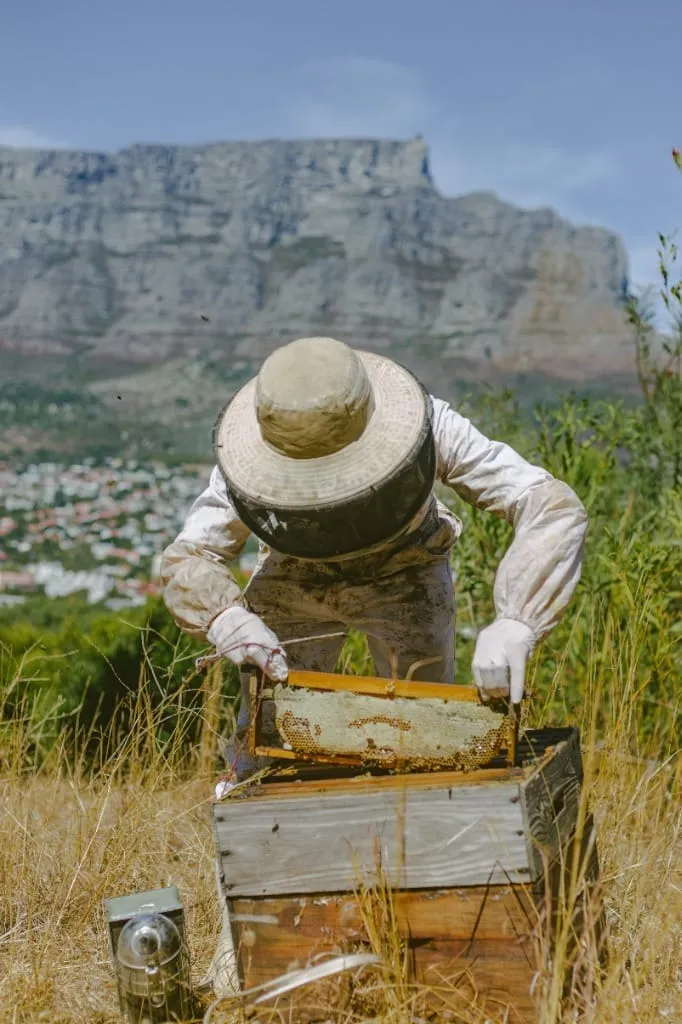
Did Your Bees Survive the Summer?
Every April, we ask the same question at Barben Bees: did they survive the summer? After months of heat, eucalyptus flows, and active production, the calendar pivots from harvest to preservation.
Read Story →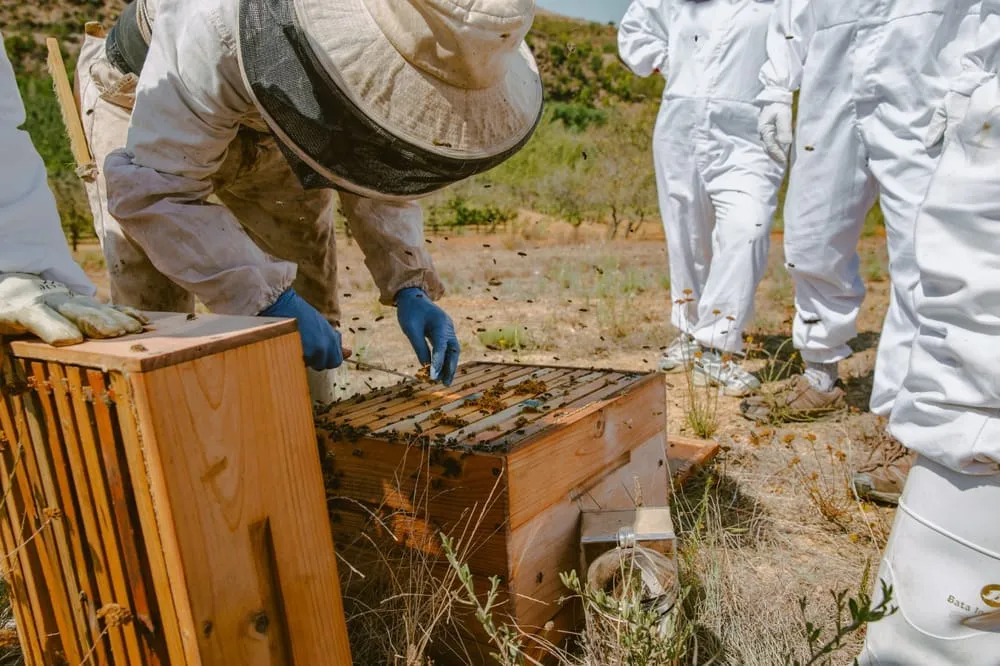
March on to Autumn
The hot days are drawing to an end. Here in Cape Town, March is a transition month — the last harvest is in, and the wax moth threat is real. We are marching on to Autumn.
Read Story →Enjoyed this article?
Learn more about our mission and support ethical beekeeping.