
Winter Work for Spring Gold: Plums, Pollination, and Oil Filters
In This Article
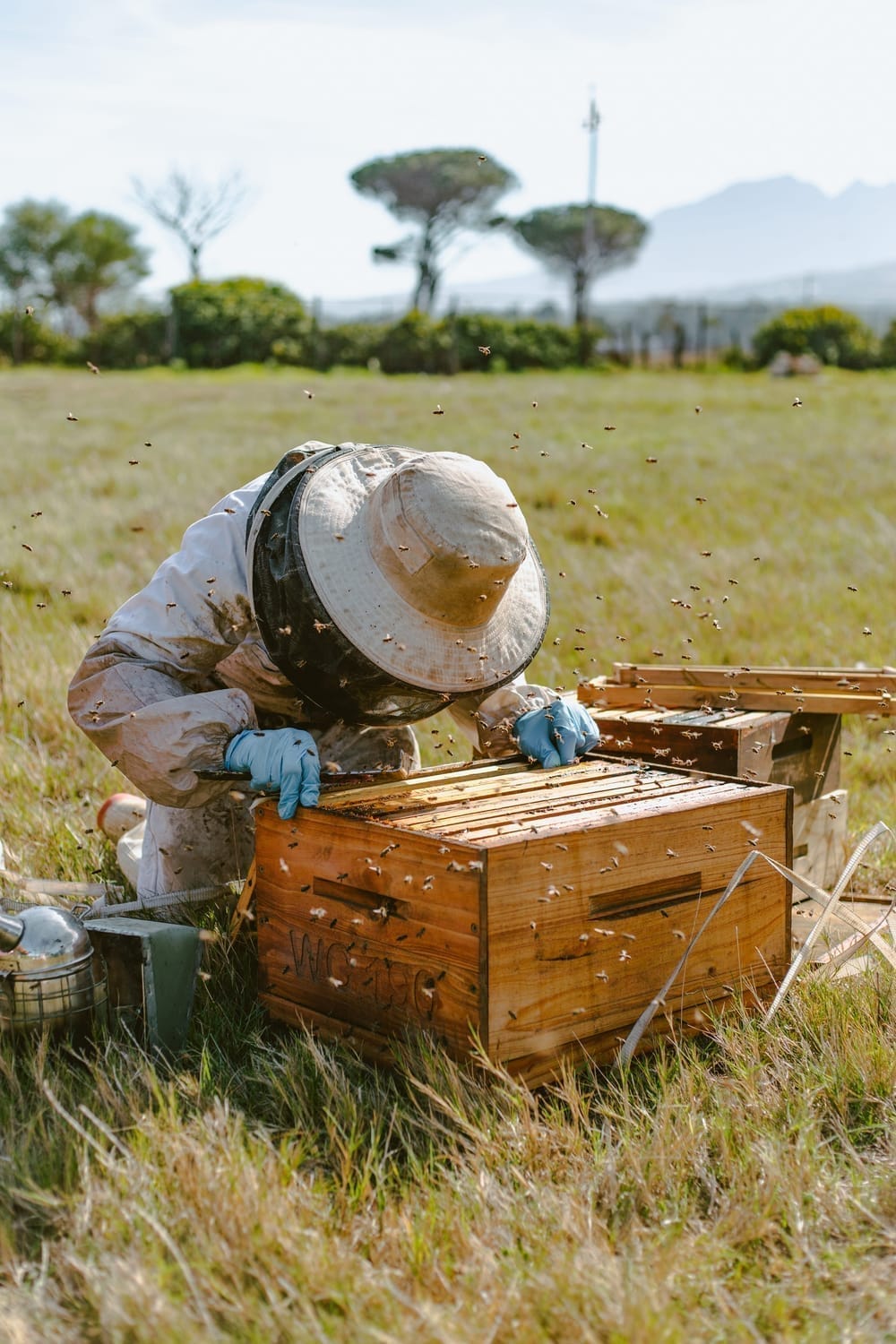
It might look like a deep winter outside. The roads are muddy, the rain is falling, and the fire is calling. But if you look closely at the calendar and the orchards, you know that the season is about to turn.
For commercial farmers and serious beekeepers in the Western Cape, July is "Go Time." Why? Pollination. The early stone fruits — specifically the Plums — are waking up. If you plan on moving bees to the plum orchards for pollination services, or if you just want to catch the early spring flow, your colonies cannot be stuck in second gear.
We need to prepare the brood nest now so that when the blossoms open, the box is bursting with bees.
1. The "Oil Filter" Maintenance
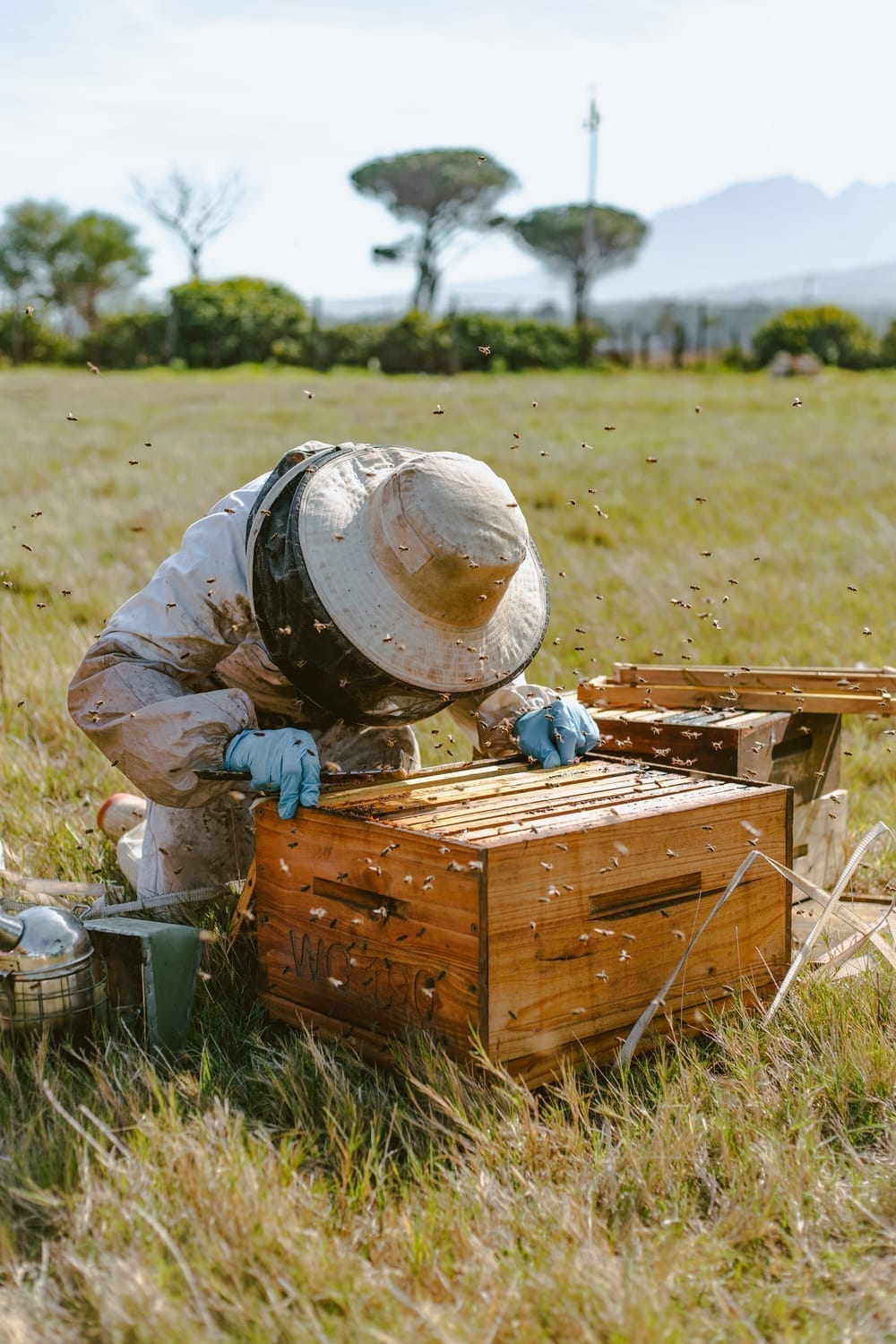
We often get asked why we disturb the hives in winter. The answer is Brood Management. Think of a brood frame like the oil filter in your car. Over time, it gets clogged. After a cell has gone through a number of brood-rearing cycles, it becomes smaller and darker. These frames become unsuitable for brood rearing and add to congestion.
If you send a hive with "clogged filters" to a pollination contract, the Queen simply cannot lay enough eggs to build the population required to do the job.
The July Job
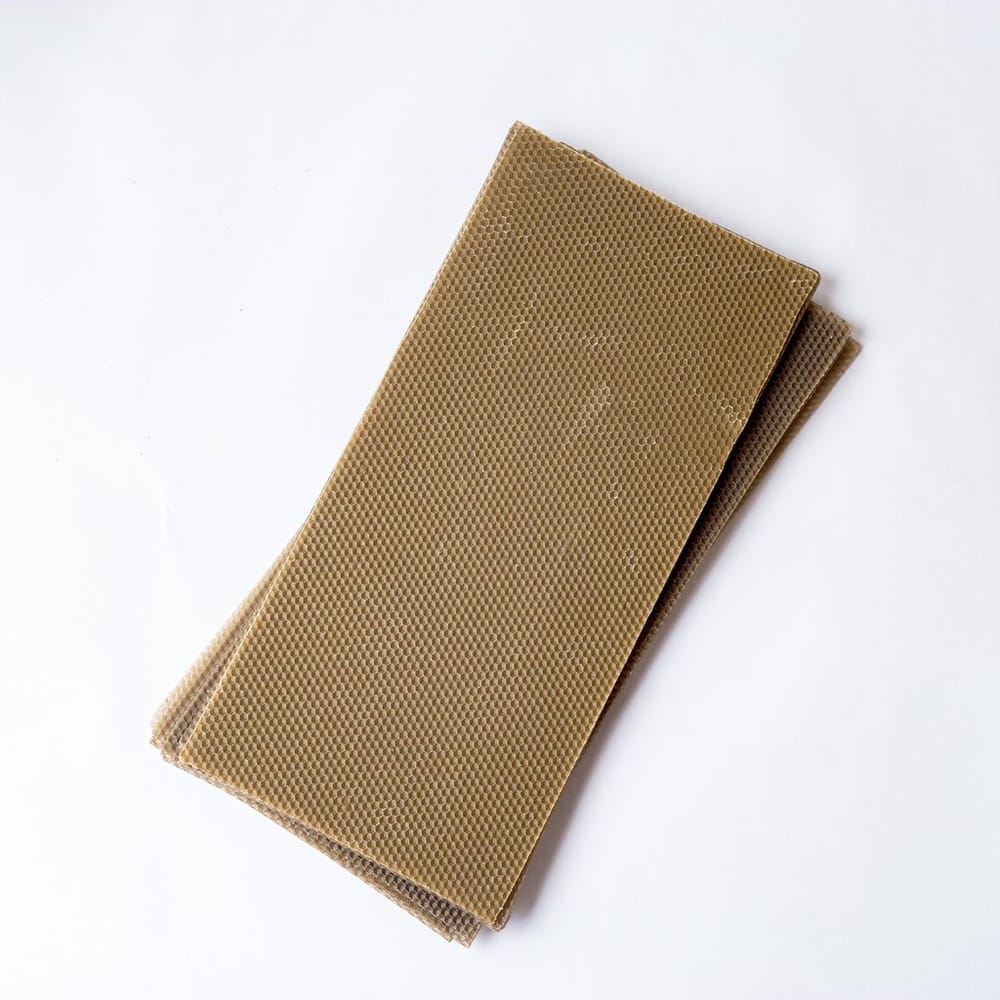
We replace old frames with full sheets of foundation now so there is space for new brood in the box. This gives the Queen a clean slate to ramp up laying just in time for the Plums.
2. Full Sheets vs. Starter Strips
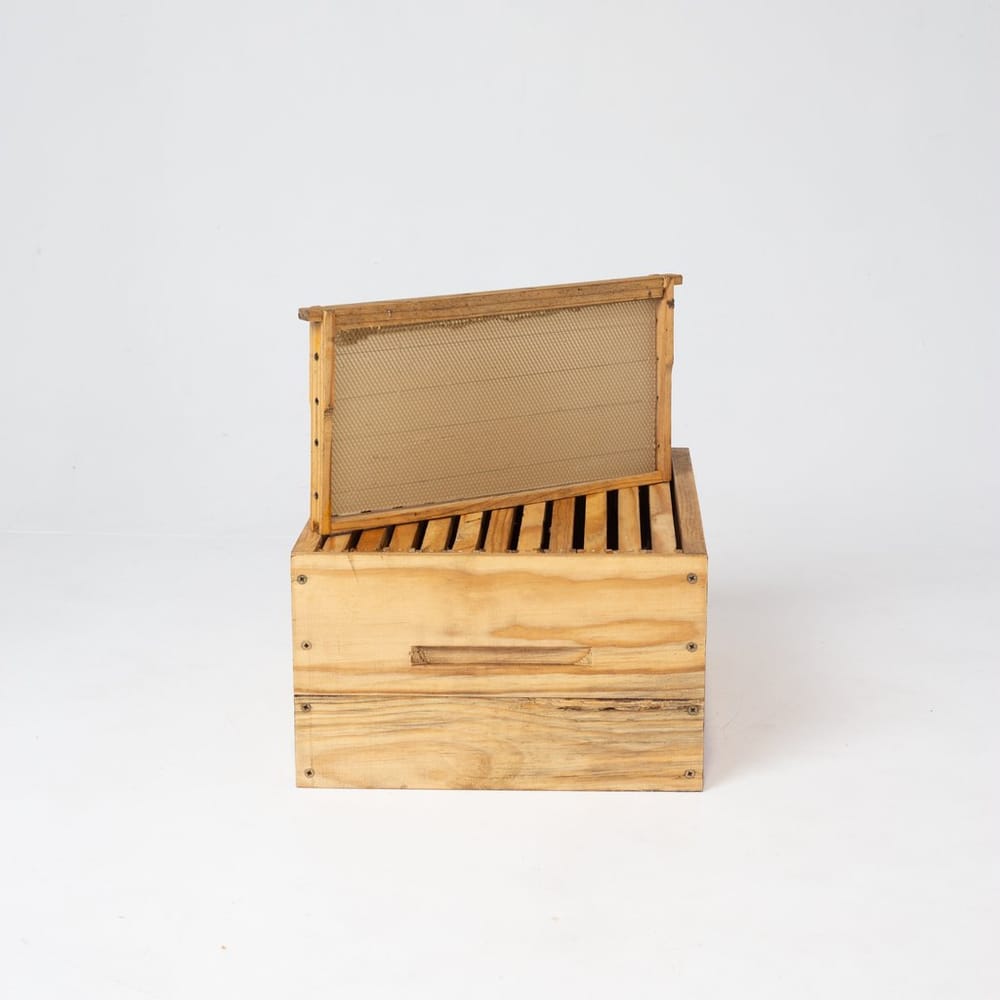
This is critical for July. We want full sheets in the box so that the bees can build out a maximum number of worker cells.
If we give them starter strips now, they are going to build out a greater number of drone comb than we would like. For pollination units, we need workers, not drones.
The Rule
Full sheets in winter. Always. Starter strips are for summer when you have plenty of bees and don't need to guide them.
3. Ready for the Orchards?
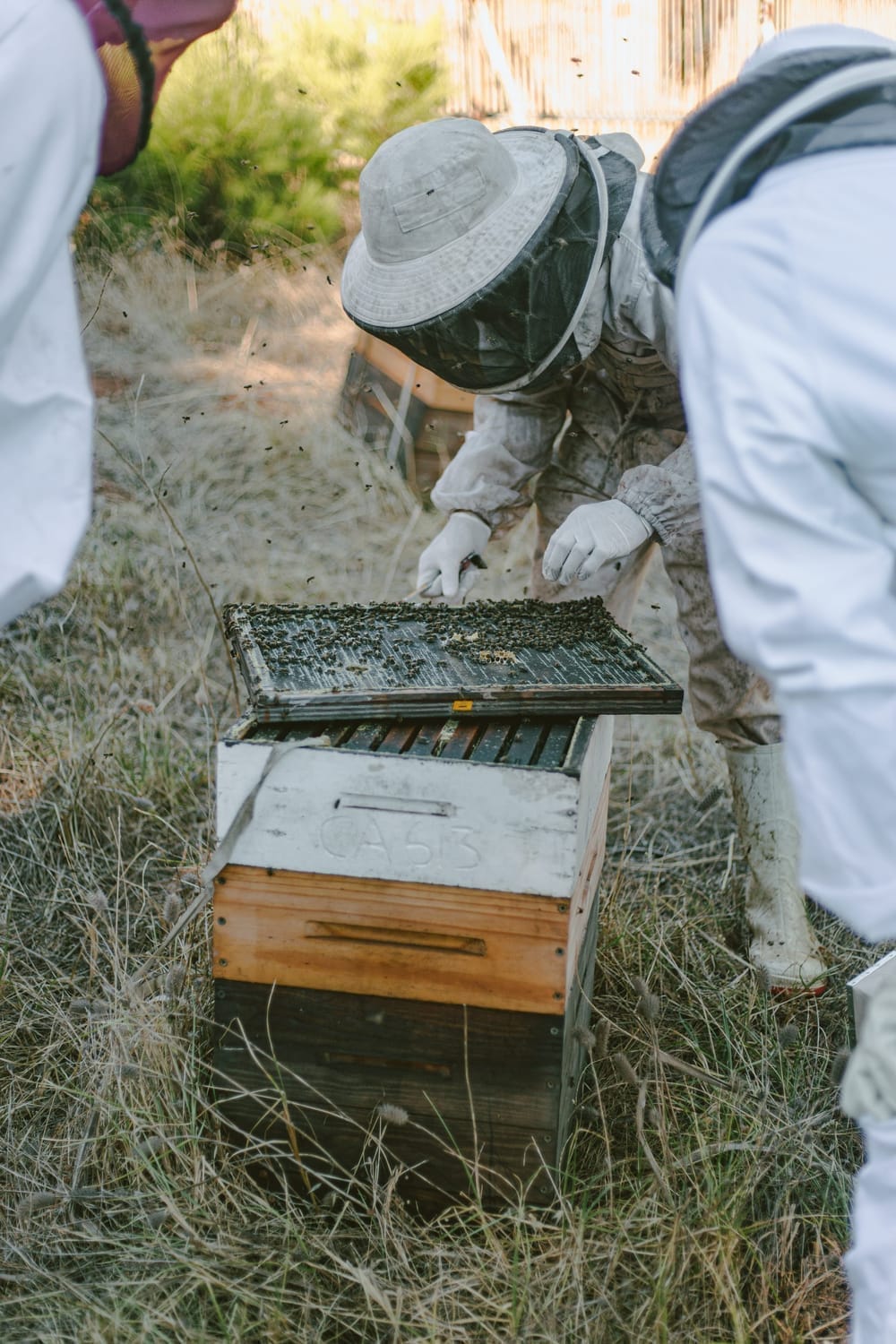
Pollination is demanding work for bees. They need to be strong before they get to the farm. By doing your maintenance now — swapping out those old frames and ensuring they have food stores — you are ensuring the colony is robust enough to hit the plum blossoms hard.
Think Inside The Box
A weak colony provides poor pollination and gathers no honey. A managed colony does both.
4. The Practical Side: Mud and Socks
If you are working far from home or moving bees to pollination sites, you will want to make sure that you have everything you need with you. The roads are likely washed away or muddy.
- Spare Supers & Frames: Don't get caught short on site.
- A Change of Socks: Trust us, you will need them.
- Smoker Fuel: Damp fuel makes for a miserable inspection.
- Hive Tool: Always carry a spare — they disappear in long grass.
Need Gear for the Pollination Season?
Whether you are prepping for the plum orchards or just getting ready for the garden flowers, Barben Bees is here to help. We stock full sheets, frames, and hive tools to get your "oil filters" changed and your colonies ready for the boom.
Come visit us at 60 Vredehoek Avenue (Mon–Fri, 9am–4pm).
Enjoyed this article?
Learn more about our mission and support ethical beekeeping.