In This Article
Here in the Western Cape, the air has shifted. It is still hot, but if you walk near an apiary now, you will smell that unmistakable, warm, sweet scent of ripening nectar. The "February Flow" is upon us, and for Barben Bees, that means one thing: Harvest Time.
While the fynbos has quieted down, our local landscape is offering up one of its most robust gifts: Eucalyptus. But once we pull those frames, how do we ensure the honey in the jar is as good as the honey in the hive?
1. The Source: The Late Summer Gum Flow
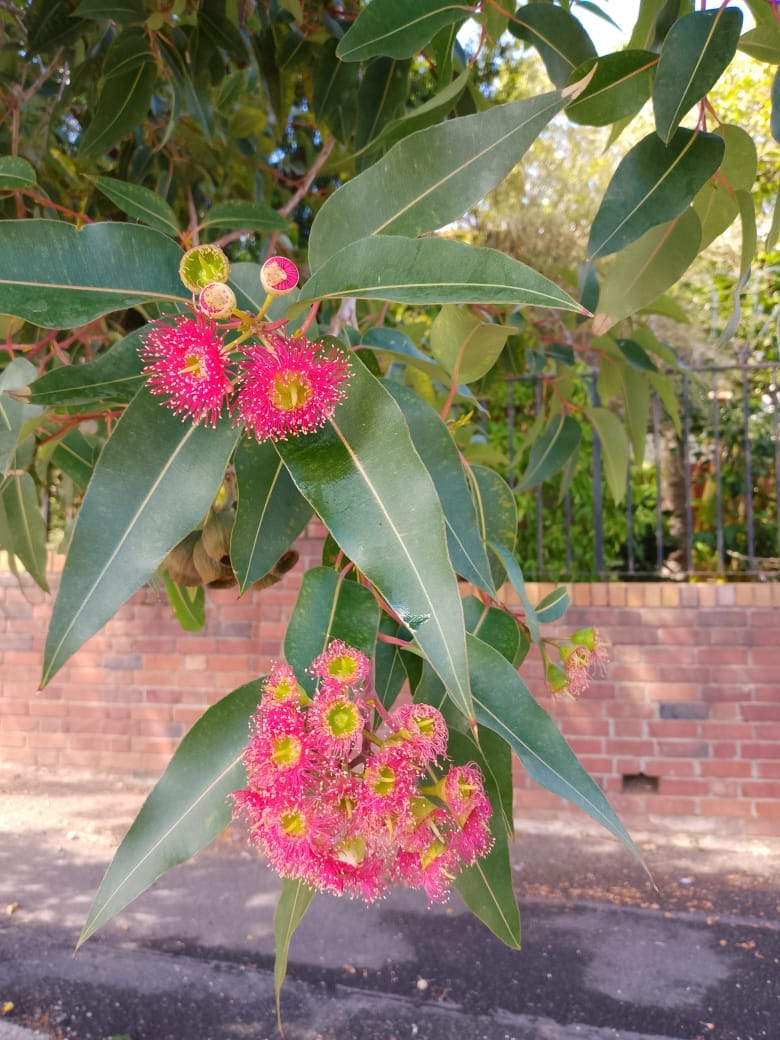
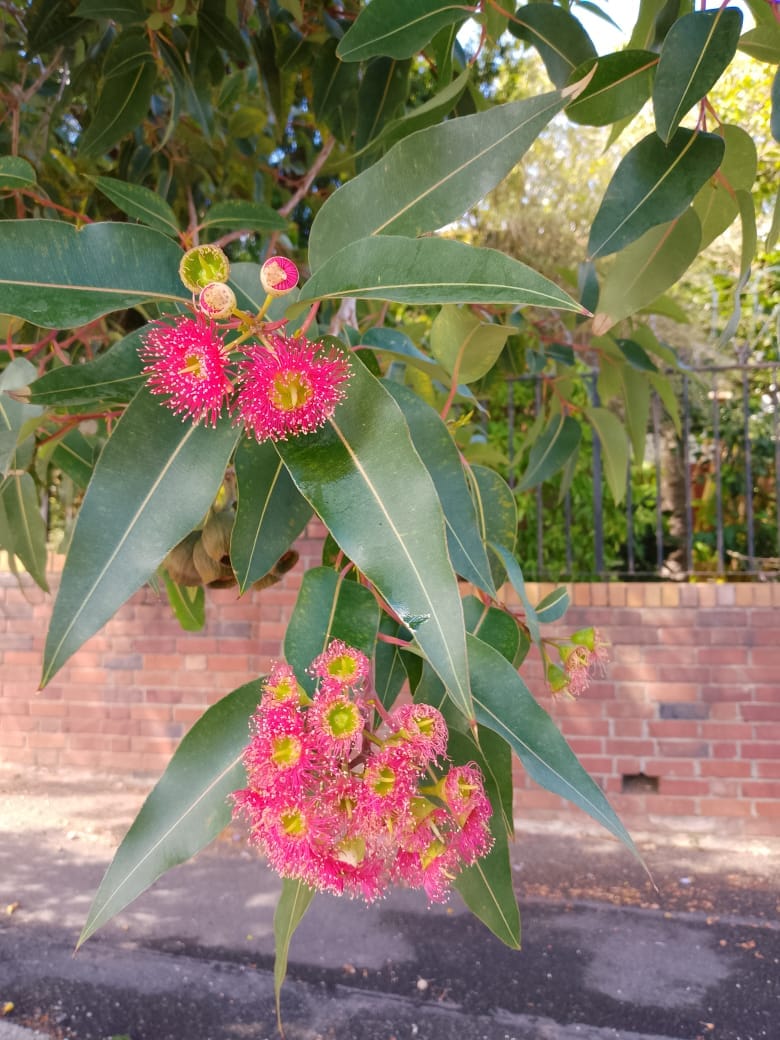
Right now, your bees are likely hitting the Eucalyptus (Gum trees) hard. While many plants wither in the late summer dryness, the Eucalyptus is resilient, providing a critical nectar source.
Honey from this time of year is distinct. Unlike the light, floral notes of spring fynbos honey, Eucalyptus honey is often darker, amber-coloured, and carries a richer, more caramel-like flavour.
Think Inside The Box
If you are a beekeeper, check your supers. Are they heavy? We often put on deep supers to collect as much honey as possible. Remember, a colony that runs out of storage space in a nectar flow will likely swarm, taking your honey crop with them.
2. The Harvest: Speed and Precision
Getting the honey out of the hive is an art form.
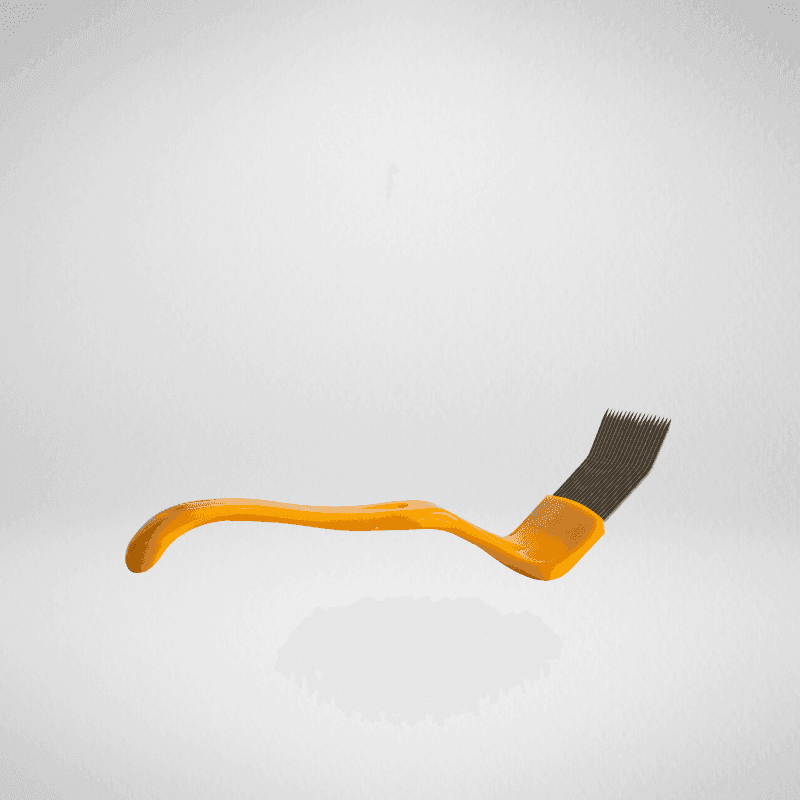
Once you have your frames in the extraction room, the tool of choice is the uncapping fork. While electric knives are great for massive commercial operations, we love the humble uncapping fork for its precision. It allows you to lift the wax cappings off the honeycomb without heating the honey underneath.
3. What Does "Raw" Actually Mean?
You see the word "Raw" plastered on labels everywhere. But in ethical beekeeping, it has a strict meaning: honey that has not been heated above hive temperature (approx. 35°C) and has not been ultra-filtered.
Commercial honey is often pasteurised (heated to high temps) and ultra-filtered. This destroys the delicate enzymes and removes the local pollen. We want to keep all that goodness in the jar.
4. The Secret Weapon: The Double Strainer
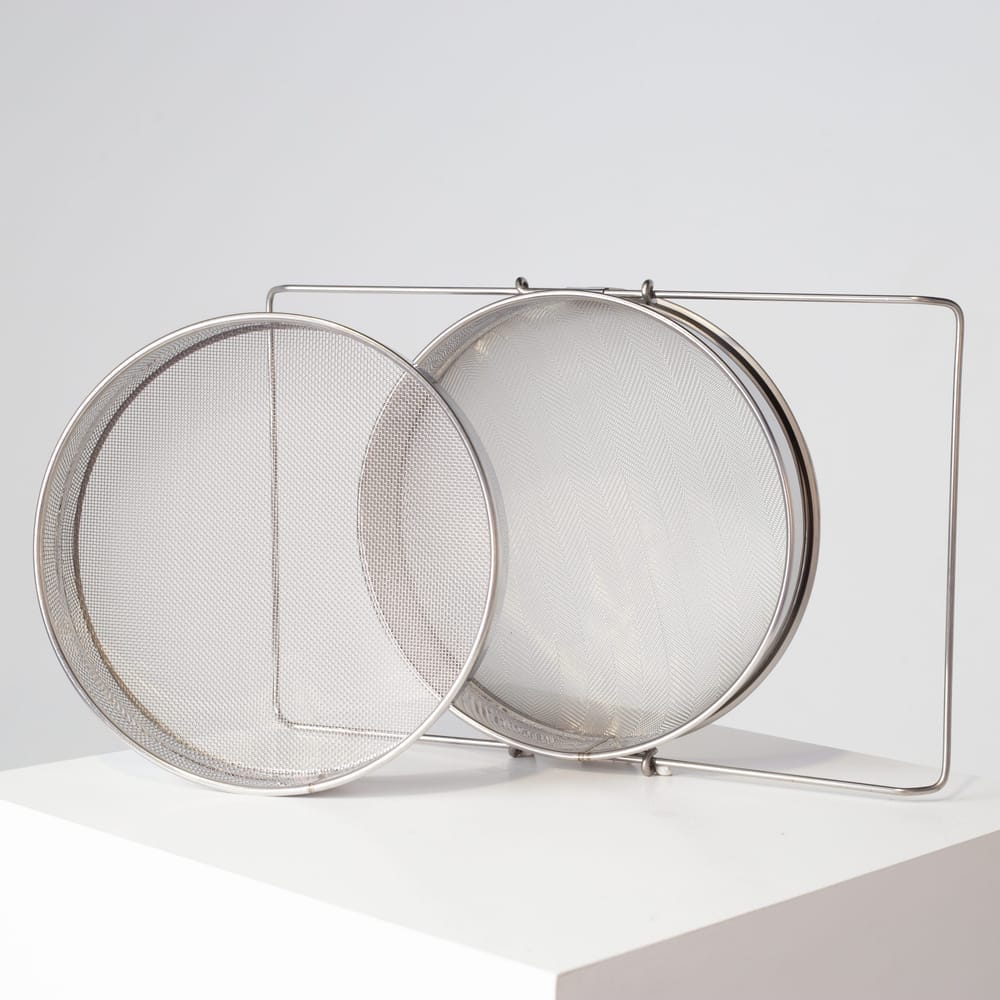
So, how do we get the bee legs and wax bits out without filtering out the good stuff? We use a Double Strainer. This is the most critical piece of equipment in the "Raw" honey process.
- The Top Layer — catches the big chunks: wax cappings and propolis.
- The Bottom Layer — catches visible impurities but lets the microscopic pollen and enzymes pass through.
By using gravity and a stainless steel double strainer, we avoid heat entirely.
5. Tips for the February Harvest
"Proper Preparation Prevents Poor Performance."
- Check Moisture: Ensure the frame is capped before harvesting. Uncapped nectar often leads to fermented honey.
- Wax Collection: Don't throw away your cappings! Melt it down for candles or foundation.
- Upgrade Your Gear: Ditch the cheesecloth. A stainless steel double strainer is cleaner, reusable, and faster.
More from Beekeeping & Education
A Win for Winter: The Solstice Shift
June 21st marks the Winter Solstice. What you do now determines the success of your spring harvest. Discover the Solstice strategy for Cape Town apiaries.
Read Story →
The Catch Box Window & Winter Prep
The days are getting shorter, and the mornings are crisp. While the summer rush is over, we aren't slowing down at Barben Bees — we're shifting focus to Preparation.
Read Story →
Did Your Bees Survive the Summer?
Every April, we ask the same question at Barben Bees: did they survive the summer? After months of heat, eucalyptus flows, and active production, the calendar pivots from harvest to preservation.
Read Story →Enjoyed this article?
Learn more about our mission and support ethical beekeeping.